

Addiction Treatment Center Serving Highland Beach, MD
Maryland Addiction Recovery Center is honored to serve the Highland Beach community in Anne Arundel County with structured addiction and mental health services centered on consistent care. Highland Beach is a close-knit residential community with a strong local identity and access to nearby services. Our team helps individuals and families maintain structure, remain engaged in care, and work toward long-term stability.
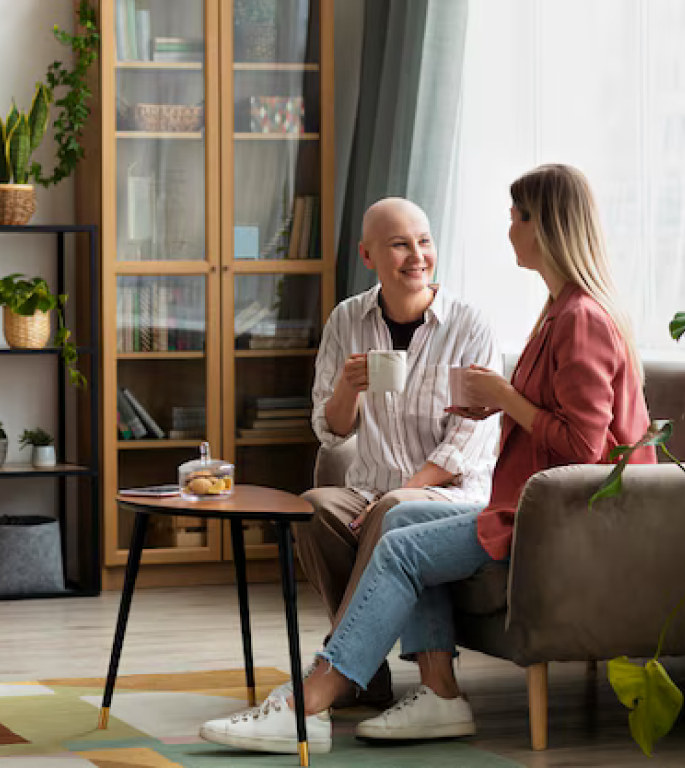

Serving Anne Arundel County and Surrounding Communities
People visit us from many parts of Anne Arundel County, each with its own pace of daily life and access to local resources. Our team provides structured care, clear communication, and practical guidance that help clients focus on steady progress. Explore the communities we serve below to learn how Maryland Addiction Recovery Center supports residents across the county in building stronger routines and healthier futures.
Evidence-Based Therapies That Support Healing
At Maryland Addiction Recovery Center, we combine proven therapies with compassionate care to help individuals and families create lasting change. Every person’s journey is unique, which is why we use a variety of approaches tailored to individual needs.

Cognitive Behavioral Therapy (CBT)
Helps individuals identify and change negative thought patterns and behaviors.
Learn more
Dialectical Behavioral Therapy (DBT)
Builds skills in managing emotions, improving relationships, and coping with stress.
Learn more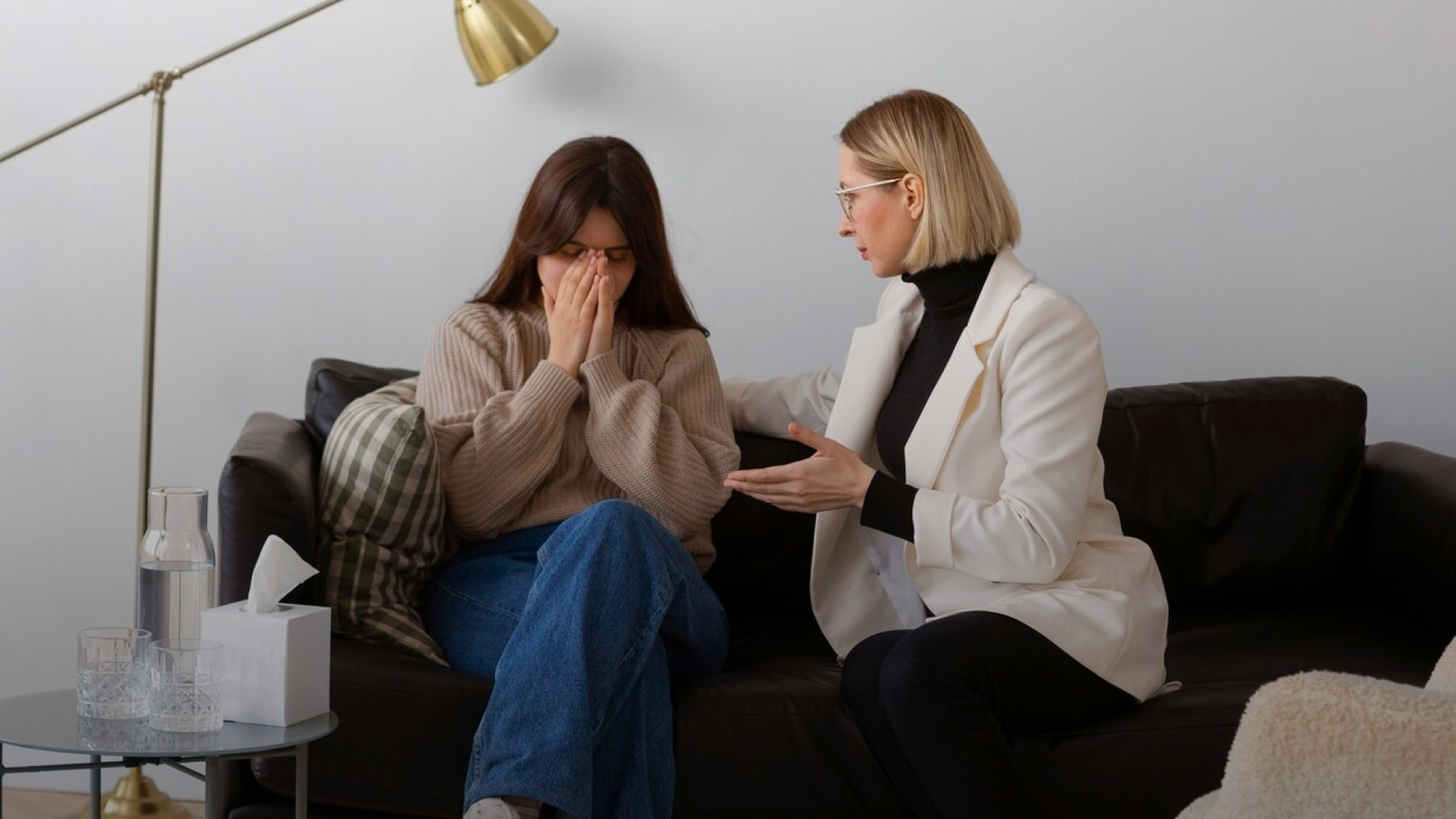
Motivational interviewing (MI)
Encourages self-motivation and commitment to recovery through supportive conversations.
Learn more
Creative Arts Therapy
Provides a safe and expressive outlet through art, music, or other creative practices.
Learn more
Psychoeducation
Providing knowledge and tools to better understand and manage mental health and addiction.
Learn moreOur Locations
Our Approach to Care
Our programs are designed to meet individuals at various stages of recovery, providing individualized, evidence-based support every step of the way. Whether you’re seeking structured treatment or outpatient care, our focus remains the same: helping you and your family build lasting stability and hope.
- Long-Term Extended Care: This level of care combines a PHP model with highly structured living, creating a supportive environment between residential treatment and an IOP or PHP with sober living
- SUD Intensive Outpatient (IOP): Our IOP provides structured therapy and support for individuals struggling with addiction, while allowing them to maintain daily responsibilities like work, school, or family life.
- Mental Health Intensive Outpatient (IOP): This program focuses on individuals experiencing mental health challenges, offering group and individual therapy, coping skill development, and clinical support without requiring full-time residential care.
- Partial Hospitalization Program (PHP): PHP delivers the highest level of outpatient care, providing full-day, structured treatment for addiction or mental health needs. It serves as a step down from residential care or as a step up for those who require more support than IOP.
- Family Programming: Family programming involves education, counseling, and support groups designed to help families understand addiction and mental health challenges. It strengthens family relationships and equips loved ones to play an active role in recovery.
- SUD IOP with Sober Living: This program integrates intensive outpatient treatment for substance use with the accountability and structure of sober living housing. It allows clients to practice recovery skills in a safe, supportive living environment while attending treatment.

[1] Thomas, F., Leung, M., Drozd, J., & Maier. (2009). Impacts Associated with the Medicare Psychiatric PPS: A Study of Partial Hospitalization Programs Report Prepared for. https://www.cms.gov/Research-Statistics-Data-and-Systems/Statistics-Trends-and-Reports/Reports/downloads/Leung_PHP_PPS_2010.pdf on July 31, 2024
[2] Khawaja, I. S., & Westermeyer, J. J. (2010). Providing Crisis-oriented and Recovery-based Treatment in Partial Hospitalization Programs. Psychiatry (Edgmont (Pa. : Township)), 7(2), 28–31. https://www.ncbi.nlm.nih.gov/pmc/articles/PMC2848466/ on July 31, 2024
[3] Home Page: Journal of the American Academy of Child & Adolescent ... (n.d.). https://www.jaacap.org/article/S0890-8567(19)30288-6/abstract on July 31, 2024
[4] Schene, A. H., & Gersons, B. P. R. (n.d.). Effectiveness and application of partial hospitalization. Acta Psychiatrica Scandinavica, 74(4), 335–340. https://pubmed.ncbi.nlm.nih.gov/3811995/ on July 31, 2024